When Emergencies Strike:
What California Families
Are Facing in 2026
New survey insights into unexpected expenses,
emergency funding needs,
and financial resilience.
New Survey: 33% of Californians Would Go Without Essentials in an Emergency
Unexpected expenses can happen to anyone. Whether it's an expensive trip to the grocery store, a car that suddenly needs repairs, or an unexpected rent shortage, many California families find themselves facing financial emergencies with little warning.
To better understand these challenges, Cashback Loans surveyed California customers about the unexpected expenses they've experienced, how much those emergencies typically cost, and how quickly they needed access to money.
The results paint a picture of how quickly everyday financial setbacks can become serious problems.
Groceries Are the Most Common Unexpected Expense
When people think of financial emergencies, they often picture medical bills or major home repairs. However, our survey found that everyday necessities are creating the biggest financial challenges.
Among survey respondents:
- 25% said groceries were their most recent unexpected expense.
- 19% reported an unexpected car repair.
- 15% said rent created their financial emergency.
- Utility bills and medical expenses were also common reasons people needed emergency funds.
These findings highlight how inflation and rising living costs continue to affect household budgets across California.
Most Emergencies Cost Between $250 and $500
Unexpected expenses don't always involve thousands of dollars.
In fact, the largest group of respondents (43%) reported that their emergency cost between $250 and $500. Another 20% said their expense fell between $100 and $250, while nearly one in five faced an emergency costing more than $750.
While these amounts may seem manageable, many households don't have enough emergency savings to cover an unplanned expense.


Most People Need Money the Same Day
Financial emergencies rarely happen at a convenient time.
Our survey found that:
- 62% needed access to money the same day.
- 14% needed it the following day.
- Only a small percentage could wait several days or longer.
This illustrates why speed matters when dealing with an unexpected financial emergency.
What Happens Without Emergency Funds?
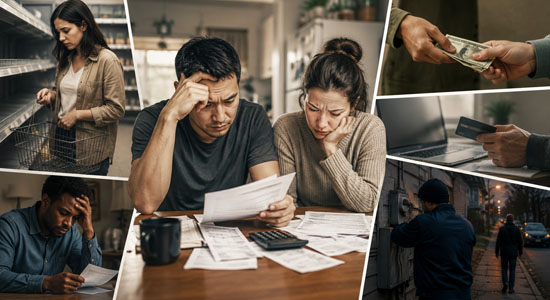
Perhaps the most concerning finding was how people said they would cope if emergency money wasn't available.
Nearly one-third of respondents said they would go without essential items, while others said they would:
- Miss a bill payment
- Borrow money from family or friends
- Pay late fees
- Use a credit card
- Even risk being unable to get to work or experiencing a utility shutoff.
These responses demonstrate that even relatively modest unexpected expenses can create difficult choices for households living on tight budgets.

Building an Emergency Fund Can Help
While no one can predict when an unexpected expense will occur, preparing ahead of time can reduce financial stress.
Consider these strategies:
- Save a small amount from every paycheck.
- Build a goal of covering one month's essential expenses.
- Review your monthly budget for areas where small savings can add up.
- Address vehicle maintenance and household repairs early when possible.
Even saving $20 to $50 each month can help build a financial cushion over time.
Survey Methodology
This research was based on a survey of Cashback Loans customers in California. Participants were asked about the unexpected expenses they experienced, how much those expenses cost, how quickly they needed access to funds, and what they would do if emergency financing were unavailable.
♡